
EMDR Made Easy
THE 2-SQUARE PROTOCOL 6hr/6CEU On-Line Self-Paced Workshop
Integrating Drawing, Story-Telling, within the 8-Phase AIP model
EMDR FOR CHILDREN & ADOLESCENTS
Children don't always have the words...
This protocol doesn't require them
The 2-Square Protocol gives EMDR clinicians a practical, creative way to help younger clients identify, process, and reorganize difficult experiences---within the eight-phase model you already know.
See what makes 2-Square different...
01-The Clinical Problem
02-The Course
03-Your Instructor
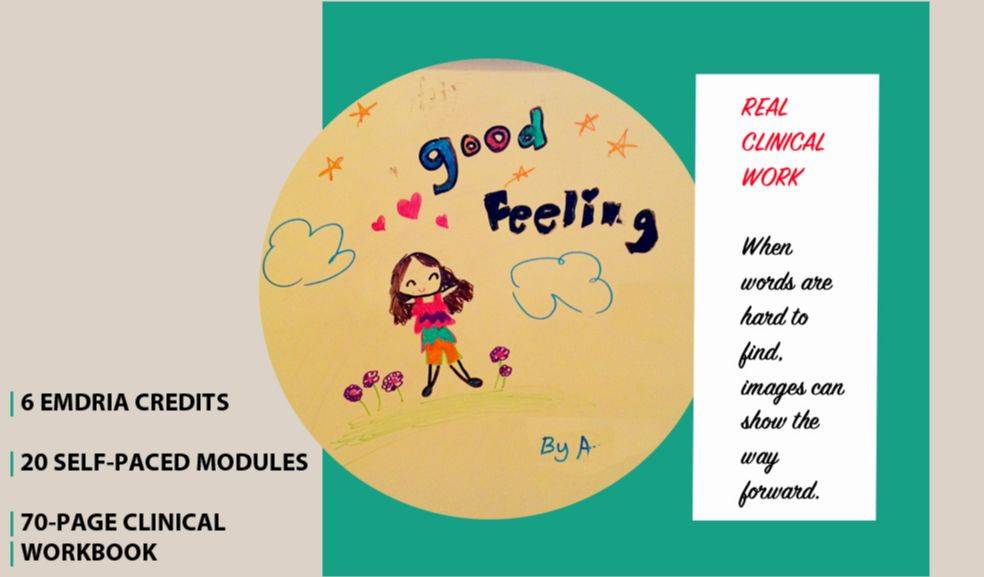
01 - THE CLINICAL PROBEM
A protocol you can understand clearly...
and use thoughtfully
This is not a course about replacing the standard model or collecting another clever technique. 2-Square shows you how to make "the EMDR work" more accessible to your younger clients, all the while staying within the 8-phase AIP clinical framework.
THE WORK MADE VISIBLE
This is not art therapy...rather a clinical pathway
The drawings are not the treatment by themselves. They give the child a concrete way to show what is difficult to say. Processing, storytelling, imagery, and child-chosen resources then help the experience change---and help the child imagine what comes next.
The drawings help children process what they cannot yet put into words
The child does not need to be an artist
A picture of the feeling is expressed artistically. The expression fits the child's developmental stage and their capability. There is no "right" image style...the drawing enables them to tell the story. The story is the catalyst for changing the negative belief system and provides the new "picture".
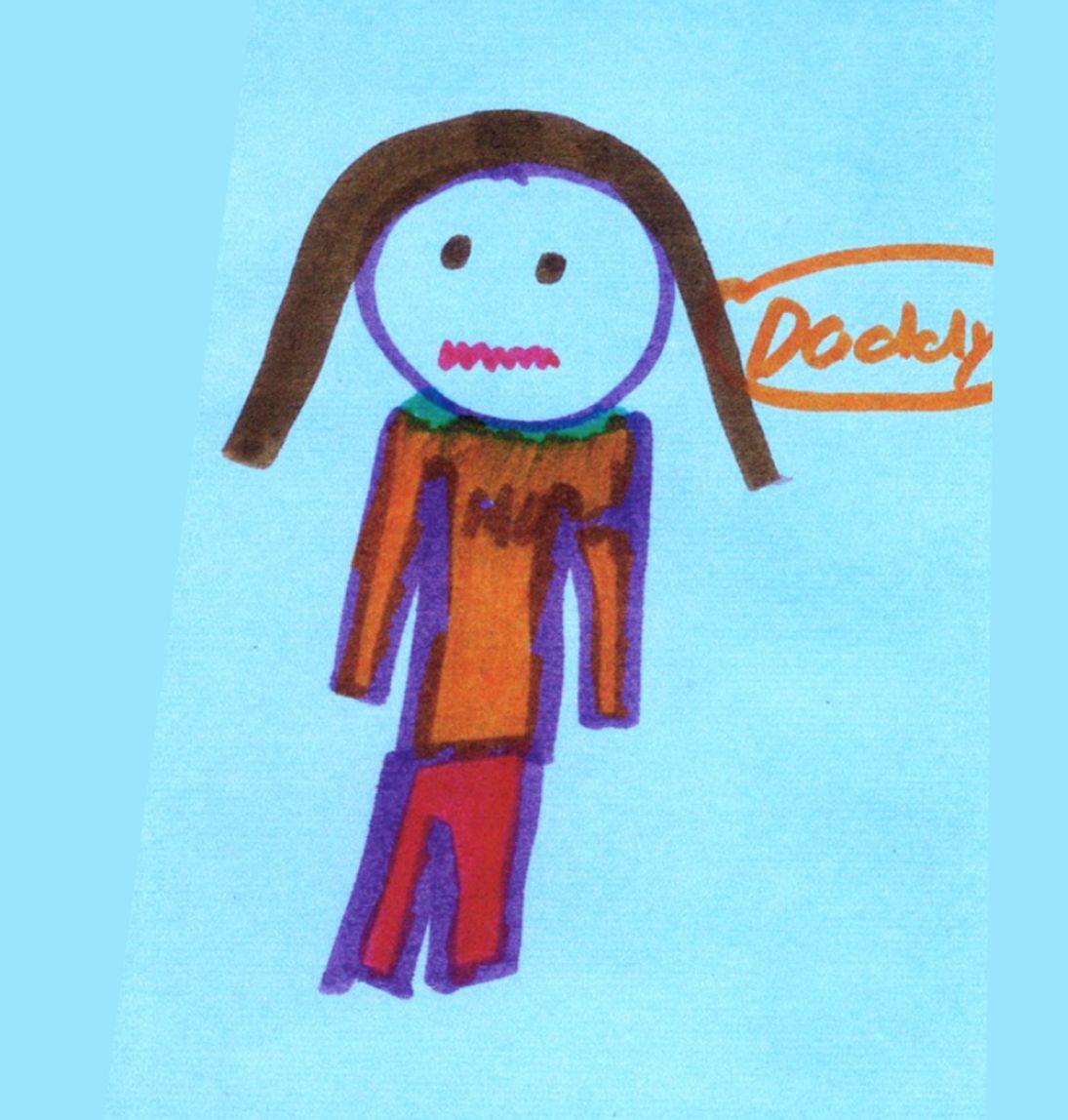
Make it visible
The child uses symbolic drawing to represent what happened and the "big bad feeling" connected to it.
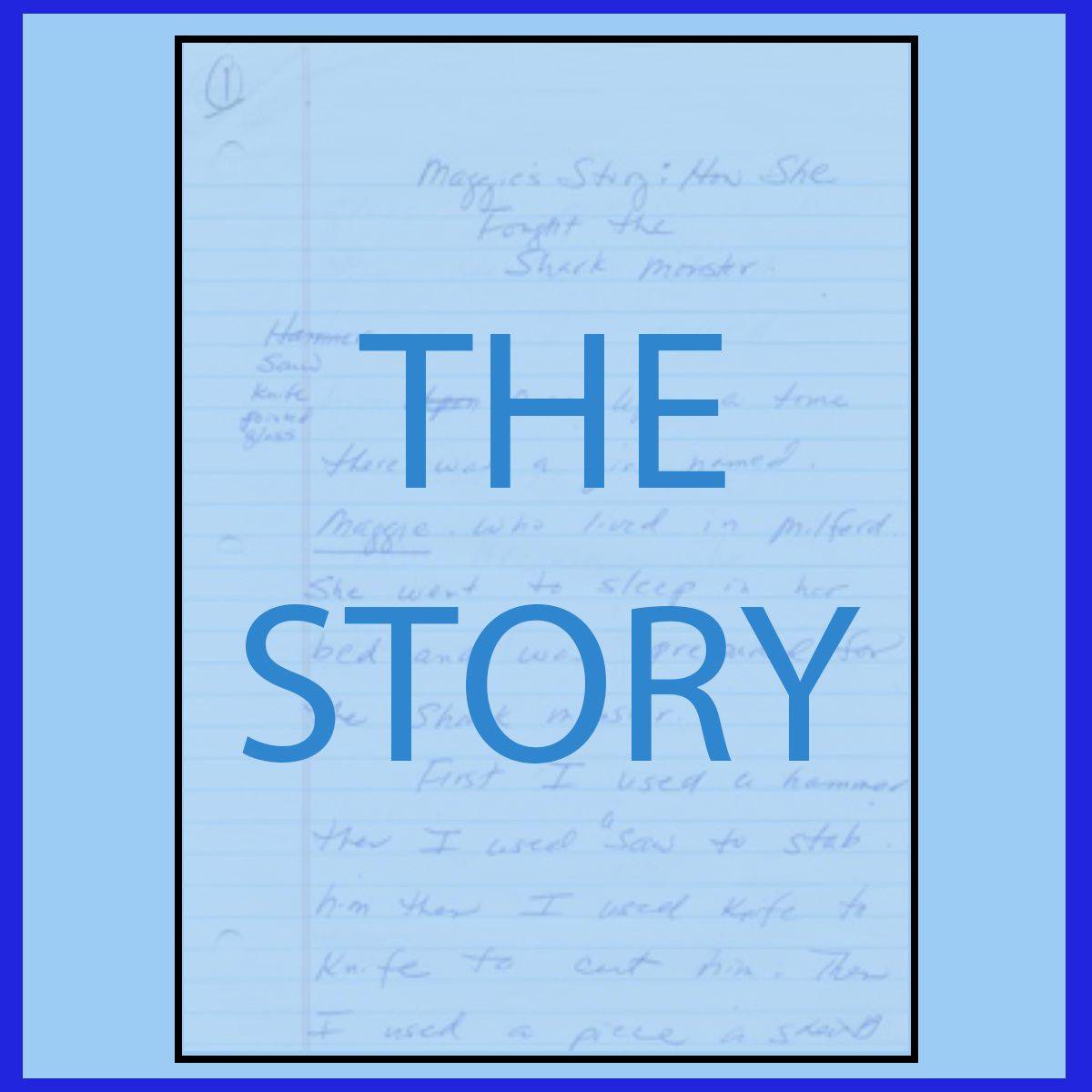
Support processing
The clinician follows a developmentally accessible protocol, processing the story within the 8-Phase EMDR model.
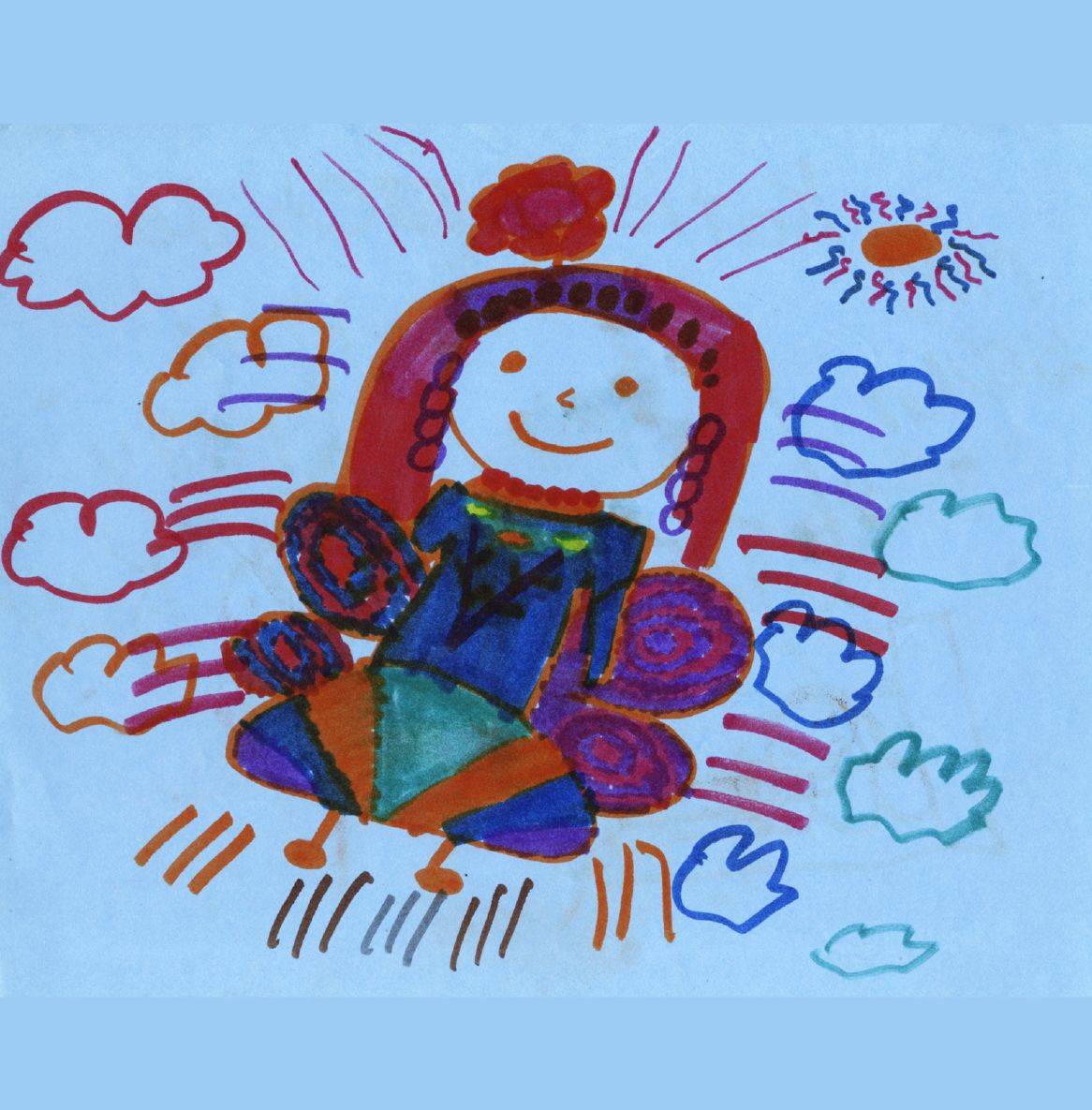
Build what's next
Imagery, storytelling, and child-chosen resources help to reorganize a new future template.
02 - THE 2-SQUARE COURSE
EMDR is powerful.
Translating it for a
child can be the
difficult part.
Children may not be able---or willing---to explain a painful experience in a clear verbal narrative. At that point in the therapy, clinicians can feel unsure about how to move through the protocol without loosing the child's engagement.
2-Square creates a flexible way into the work. Drawing helps make the child's imagination visible. Storytelling brings the child's own words, resources, and new beliefs into the picture, supporting integration.
Who is this course for?
For clinicians who...
The course structure
-
6 Hours on-line, on-demand teaching
-
20 Focused video lessons
-
70 Pages downloadable, color-coded workbook
-
1 Live demonstration with adult class participant
-
4 Recorded sessions with a child
-
10 Clinical case studies
What will I learn?
- Understand the developmental and clinical reasoning behind the flexible, symbolic 2-square approach
- Learn the distinct purpose of each stage with the course scripts and process that navigate you through the EMDR AIP model
- Discover why drawing is only one part of the method...learn how the creation of story supports resourcing, emotional integration, and a new future template
- The recorded live demonstration and ten case examples, drawn from decades of practice, make the application tangible
- Enable you to bring it to your own practice and use it immediately
- Us the workbook forms, templates, sample language, and scripts as an ongoing clinical resource
More than a workshop...
-
All of the instruction is on demand so you can pause, review, and learn at your own pace
-
All the video modules are color coded to the companion 70pp workbook, tying the templates, forms, sample langauge, and scripts to the phase-by-phase process
-
The case examples and live demo connect the ideas and show the actual therapeutic work
-
Download and use the test questions so you can prepare your answers as you study each module of the course
-
Complete the course, the final assessment evaluation, and take the test to earn the six EMDRIA credits
-
EMDR Made Easy is a clinical resource you can return to over and over
03 - YOUR INSTRUCTOR: MEET SHARON
CREATED FROM MORE THAN FOUR DECADES OF CLINICAL PRACTICE
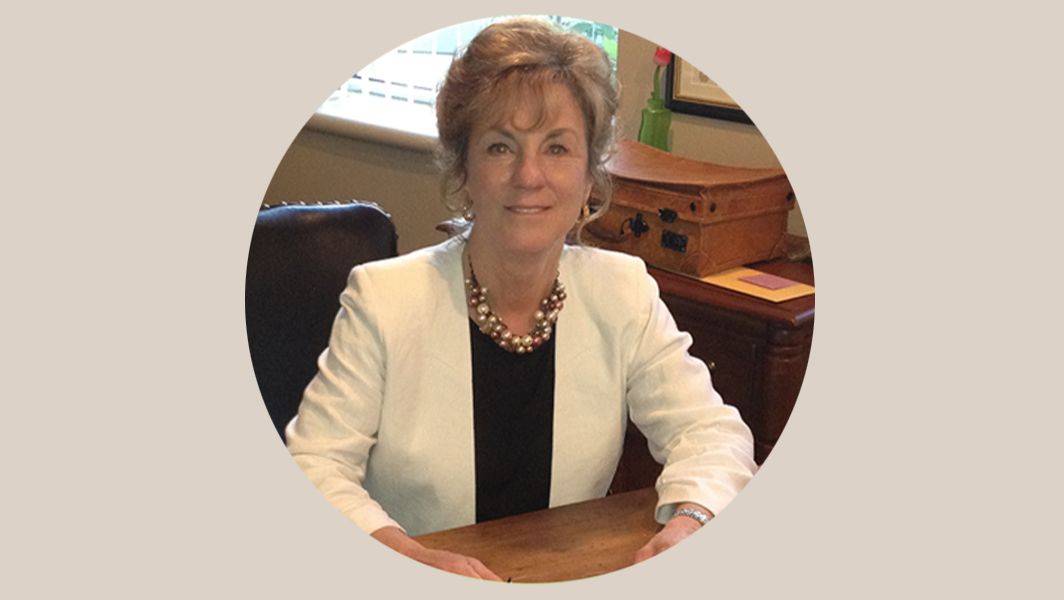
Developed by Sharon Schwartz, MSW, through careful observation, repeated use, and-most importantly-children's own feedback.
Protocol shaped with children
Not simply adapted for them
You know the model. This course helps make it accessible to the child.
SS
Sharon has spent more than four decades working with children, adolescents, adults, and families. After training in EMDR in 1997, she began adapting the work for younger clients who needed something more concrete than a primarily verbal approach.
Psychotherapist, educator, international EMDR speaker, and creator of the 2-Square Protocol
About me
- Psychotherapist and educator
- Creator of the 2-Square protocol
- Former clinical director TP Counseling
- EMDR since 1997
- BS Cornell University - HDFS
- MSW Boston University
- EMDRIA approved provider
- 4 decades of clinical practice
- President of Turning Point Education
My promise
- Feels as if you are in the class - not sleep by powerpoint...live video clips
-
6 Hours/6 CEUs - online, on-demand
- 20 Modules - focused video learning
-
70 pp Workbook - color coded, download
- Clinical application - Ten case examples and a recorded demonstration of therapeutic work
- Earn certificate by passing 80% of test - delivered automatically
A clearer way into the work
Help children process what they cannot yet put into words
Learn the practical,
symbolic 2-Square Protocol,
within the eight-phase EMDR AIP model.